Decoration
3D wall cladding is gaining ground in interior design due to its ability to transform any space with unique textures and visual effects. This type of cladding not only adds an innovative aesthetic touch but also has technical and functional applications that make it ideal for various areas such as architecture, retail, and contract. In this article, we will explore the technical and aesthetic advantages of 3D cladding, its design and manufacturing process, and how it contributes to sustainability in interior design projects.
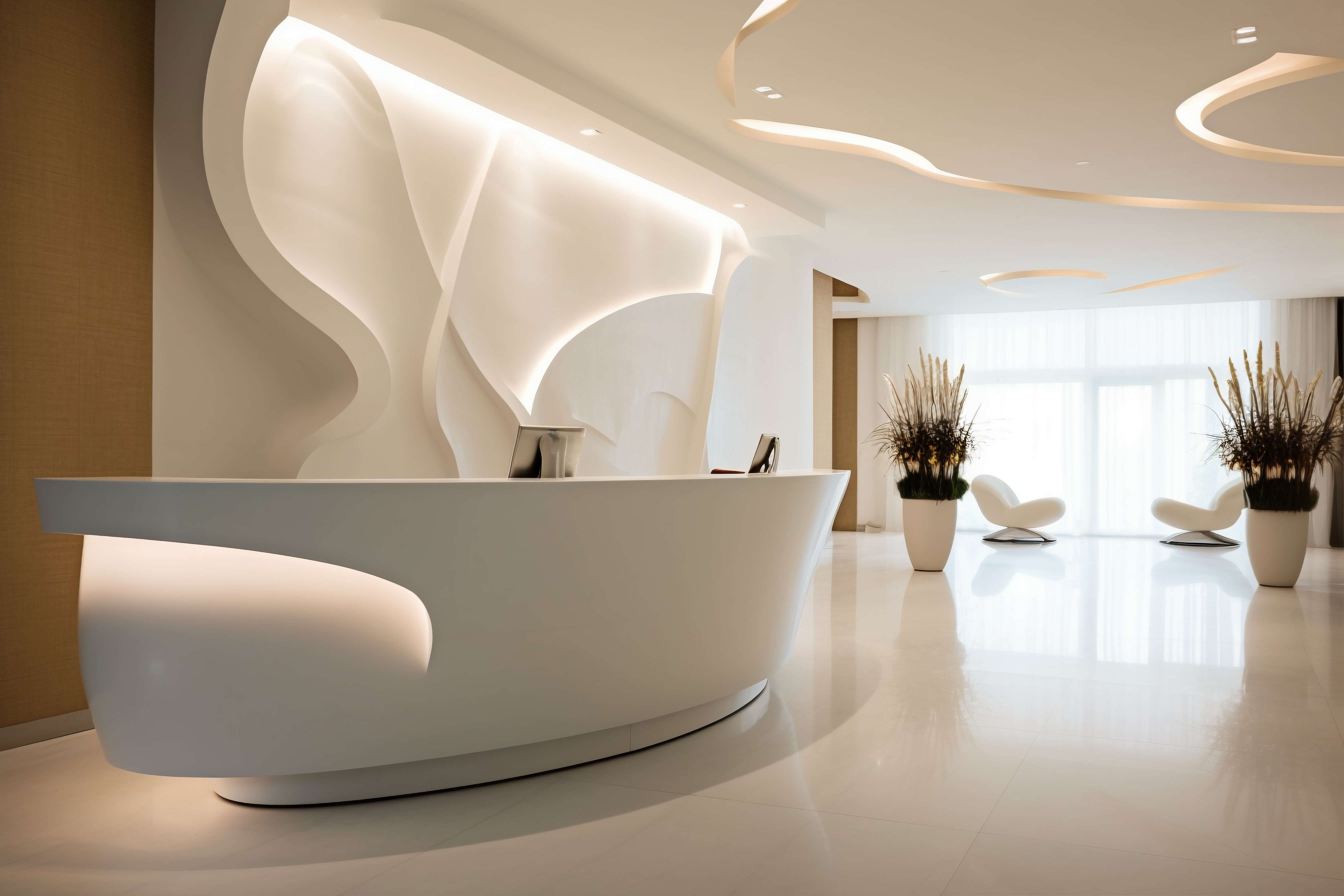
3D wall cladding consists of panels designed to create an illusion of depth and texture on vertical surfaces. Made from materials such as wood, solid surface, or acrylic, these panels can incorporate complex patterns, reliefs, and visual effects that play with light and shadow. Its installation transforms a flat space into a dynamic work of art, perfect for those looking for modern and differentiating designs.
3D cladding provides a cutting-edge aesthetic that stands out in any room, whether on walls or ceilings. With this type of decorative panel, such as wooden acoustic panels, it is possible to play with different finishes and textures that create immersive and modern environments.
An important technical aspect is that wooden acoustic panels are not only decorative but also improve the acoustics of spaces. This makes them ideal for commercial environments, offices, or rooms where noise reduction is crucial.
The use of materials like solid surface or acrylic in 3D cladding also addresses growing concerns about sustainability. These materials are recyclable and have a long lifespan, contributing to more responsible and eco-friendly projects.
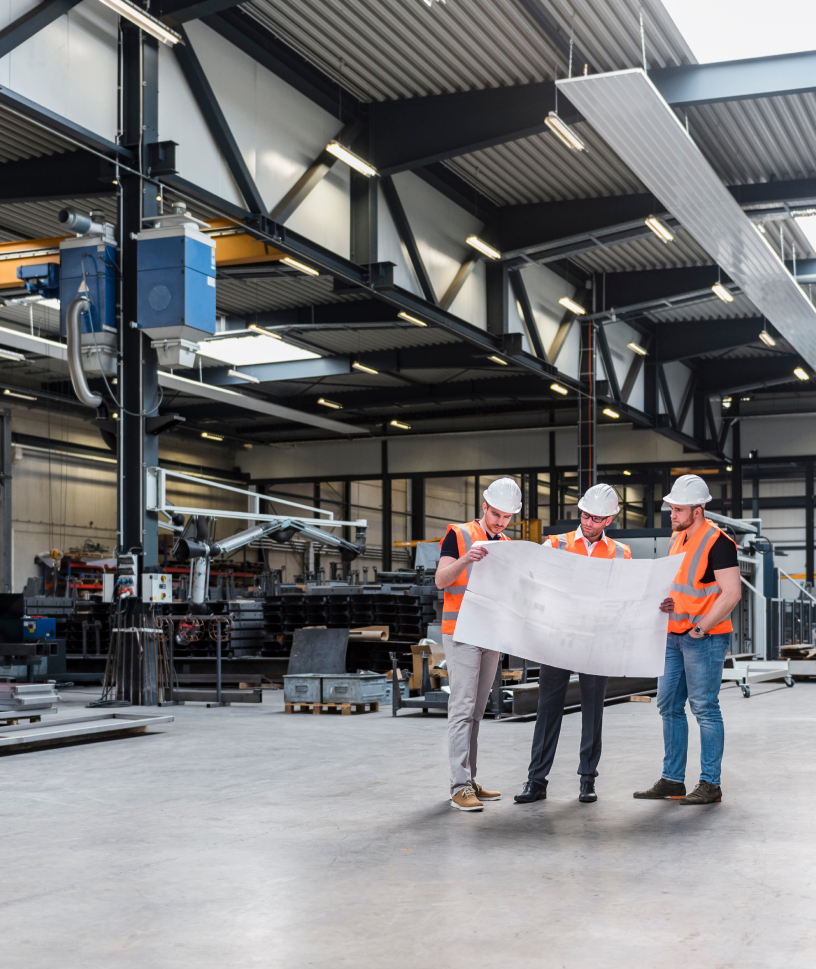
The design and manufacturing process of 3D cladding is highly technical. Using CNC technology (Computer Numerical Control), designers and manufacturers can create complex patterns with great precision. The combination of advanced software and specialized machinery allows for custom designs tailored to the needs of each project, whether in a residence, a commercial space, or a hotel.
Wooden panels not only add warmth and elegance but also allow for custom designs with natural textures. Wooden 3D panels are ideal for spaces looking for an organic and sophisticated touch. Furthermore, as previously mentioned, they are the perfect choice for spaces that aim to improve acoustics.
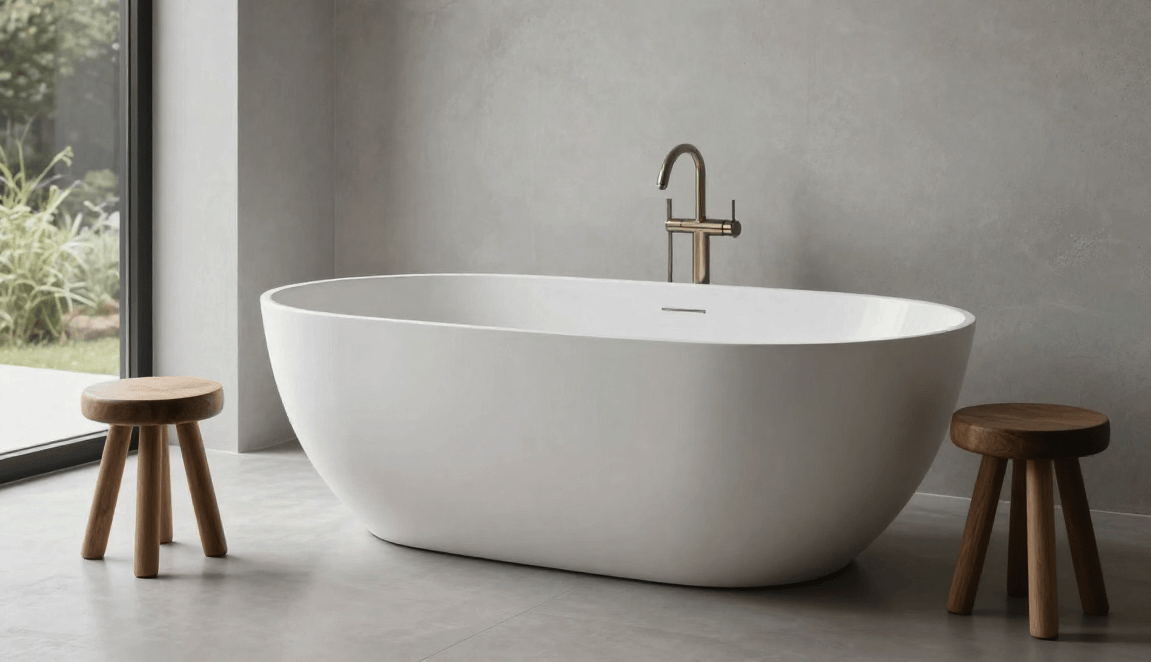
Solid surface is a synthetic material known for its durability and resistance. It can be molded into various shapes and textures, making it the perfect option for those seeking a contemporary look without compromising strength.
Acrylic, or PMMA, is a lightweight and versatile material that can be transparent or colored. Used in 3D decorative panels, it provides a shiny and modern finish, ideal for spaces where light plays a key role in the design.
Plastic 3D panels are an affordable option offering flexibility in terms of design and finishes. They are lightweight, easy to install, and can adapt to a variety of styles, from simple to complex.
In architecture, 3D wall cladding is perfect for creating a unique atmosphere in commercial, residential, or public buildings. 3D panels are also used to create building facades with a stunning visual impact.
In retail, 3D decorative panels are used to design storefronts and walls that attract customers' attention. Innovative designs, such as wooden acoustic panels, also help create an attractive and functional atmosphere in stores and shops.
In contract projects, such as offices or restaurants, 3D cladding provides a modern aesthetic that can align with the brand's identity or the space's concept. Moreover, their ease of customization allows meeting each client's technical and visual requirements.
Innovation in 3D wall cladding extends beyond design to sustainability. Materials like solid surface and acrylic are becoming increasingly efficient in terms of production and recycling, contributing to more sustainable projects. Furthermore, the durability of these materials reduces the need for frequent replacements, helping to lower the environmental footprint in the long run.
If you are interested in incorporating 3D wall cladding into your next project, whether in architecture, retail, or contract, don’t hesitate to contact us. At Indutec, we offer high-quality, custom solutions that meet the highest technical and aesthetic standards.
Transform your space with our innovative 3D panels!
Contact us
Related posts