Materials
Quick comparison to understand the key differences between solid surface and ceramic in design, architecture and retail.
| Key aspect | Solid surface | Ceramic |
|---|---|---|
| Composition | Acrylic or polyester resins + mineral fillers | Clays and minerals fired at high temperature |
| Porosity | Non‑porous | Low porosity (variable by type) |
| Visible joints | No | Yes |
| Stain resistance | Very high | High, but joints may stain |
| Heat resistance | Medium (avoid direct heat without protection) | Very high |
| Impact resistance | Good, slightly flexible material | High hardness, but brittle to point impacts |
| Repairability | Yes, can be repaired and renewed | No, usually requires replacement |
| Maintenance | Simple and uniform (no joints) | Low, with attention to joints |
| Custom design | Very high | Limited to formats and cuts |
| Curves and complex shapes | Yes | Very limited |
| Outdoor use | Not recommended (depending on system and exposure) | Highly recommended |
| Lifespan | Long and renewable | Very long, non‑renewable |
Choosing the right material is one of the most important decisions in any architecture, interior design, or retail project. Among the most common options, two very distinct alternatives often come up: solid surface and ceramic.
Although both materials share certain uses and applications, their technical performance, aesthetics, maintenance, and design possibilities are very different. In this guide, we deeply analyze solid surface vs ceramic, to help you understand which material is best suited for your project and its real requirements.
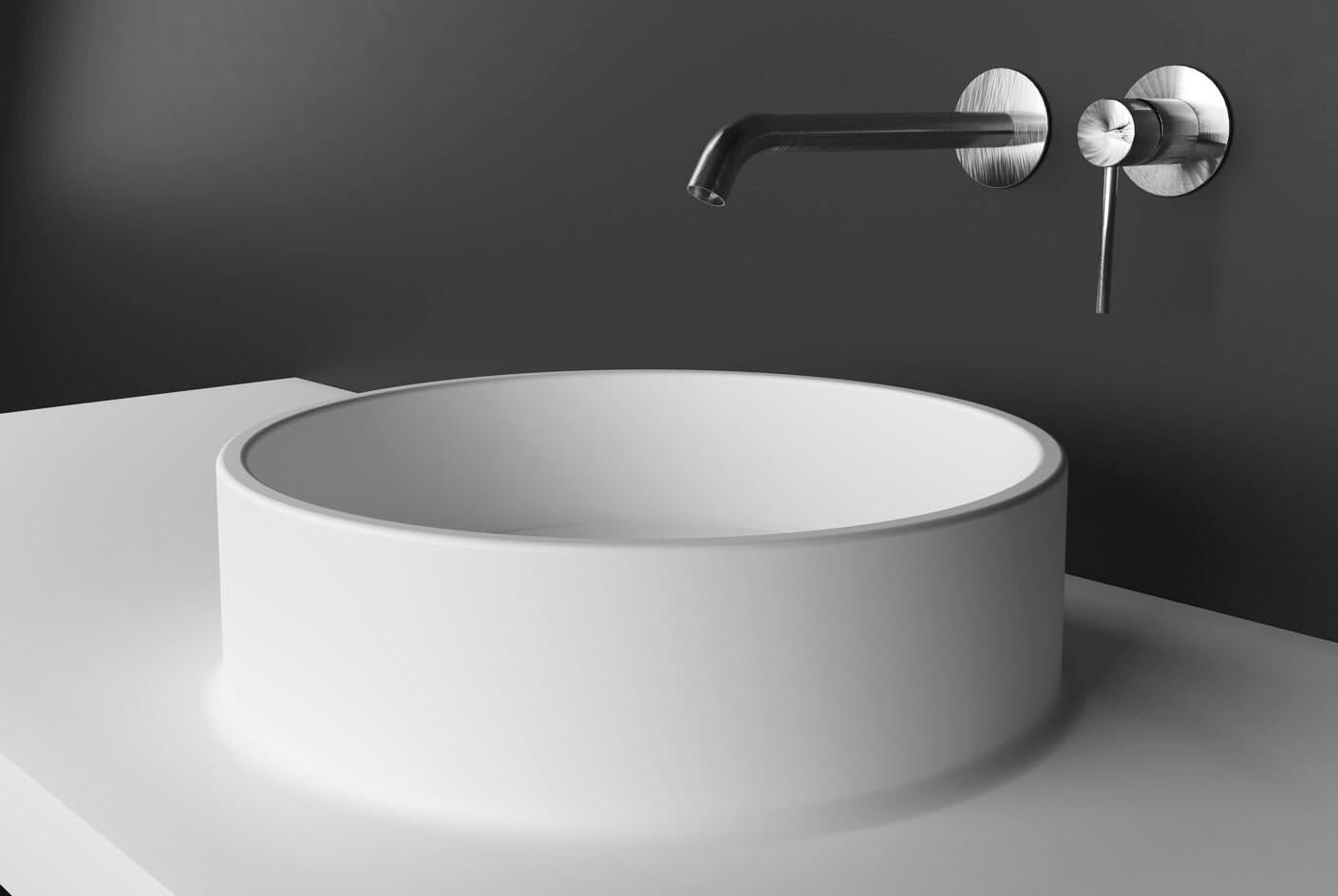
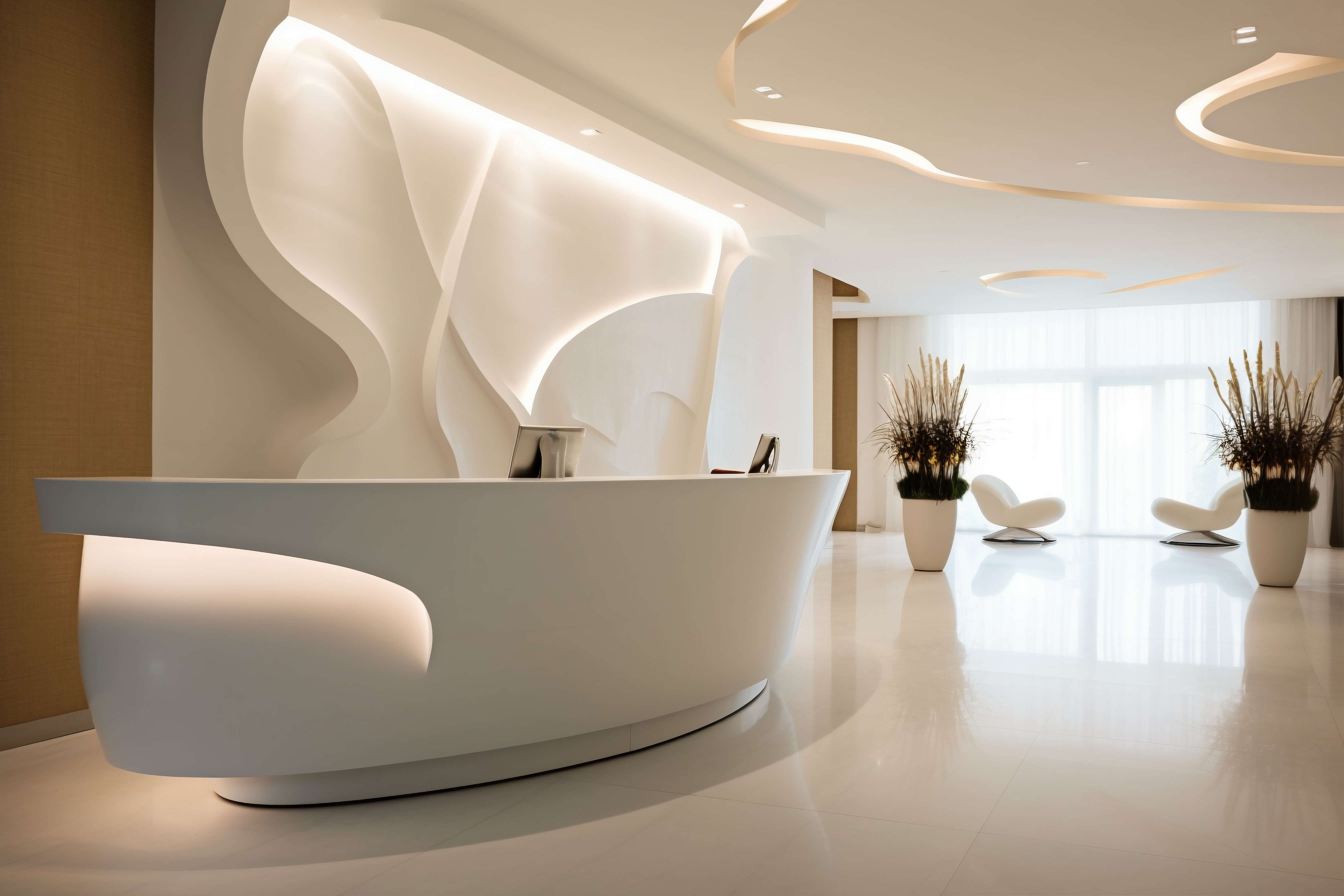
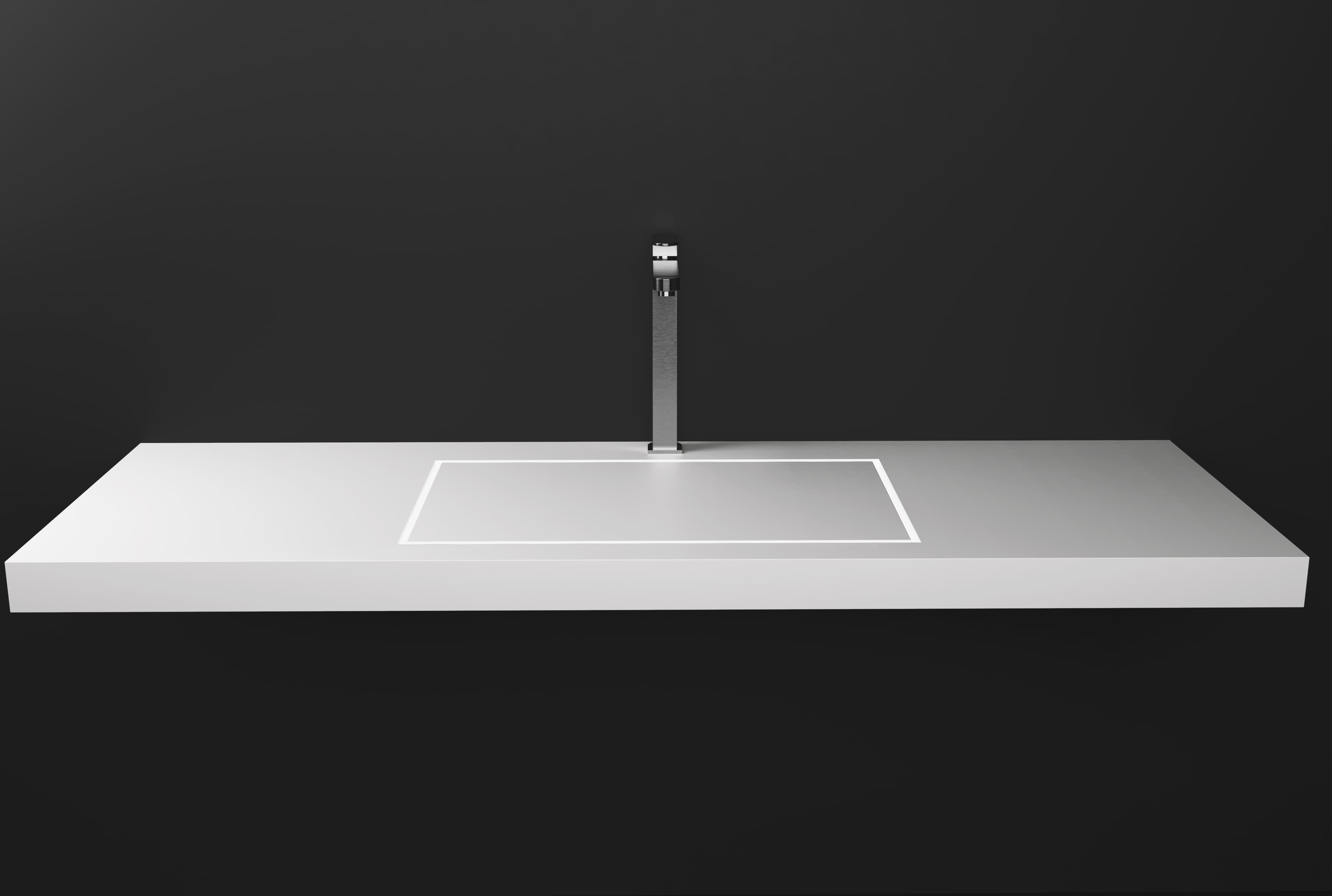
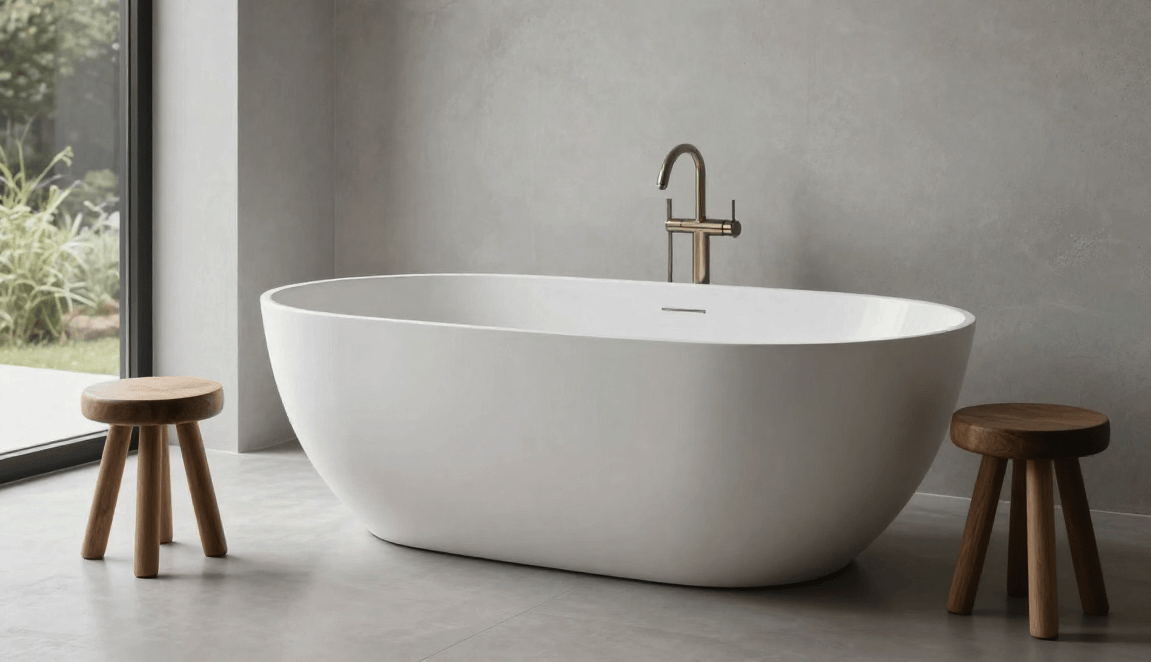
Solid surface is a synthetic material primarily composed of acrylic or polyester resins and mineral fillers. It is characterized by its non‑porous surface, its ability to create seamless pieces without visible joints, and its great formal versatility.
Ceramic, on the other hand, is an inorganic material made from clays and natural minerals fired at high temperatures. It includes both traditional ceramics and high‑performance technical porcelains, widely used in flooring, cladding, and countertops.
Both materials play a significant role in contemporary projects, but they serve very different needs.
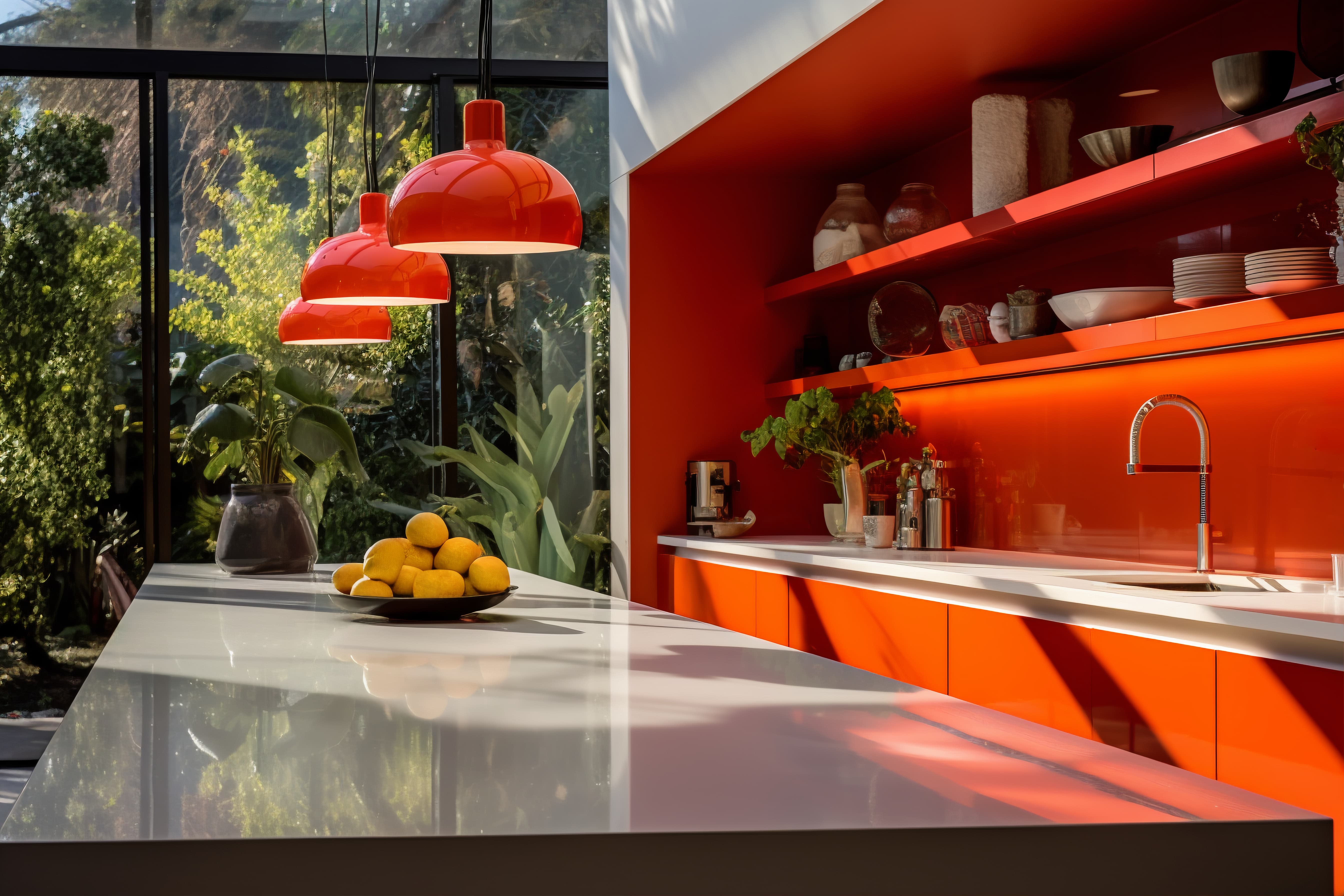
If you want to go deeper, here is a full article on the advantages and disadvantages of solid surface.
The choice between solid surface or ceramics largely depends on the intended use and the aesthetic and functional demands of the project.
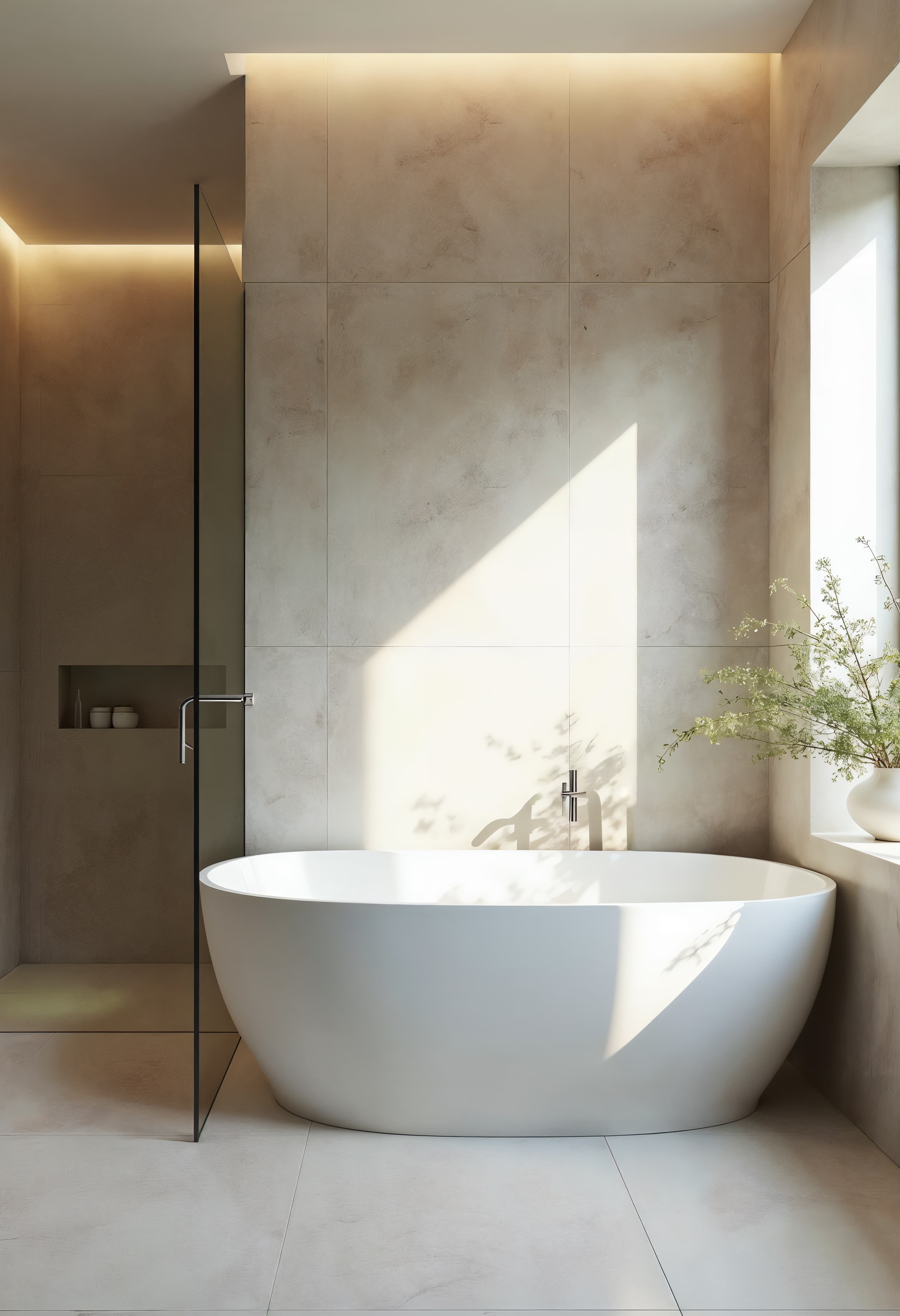
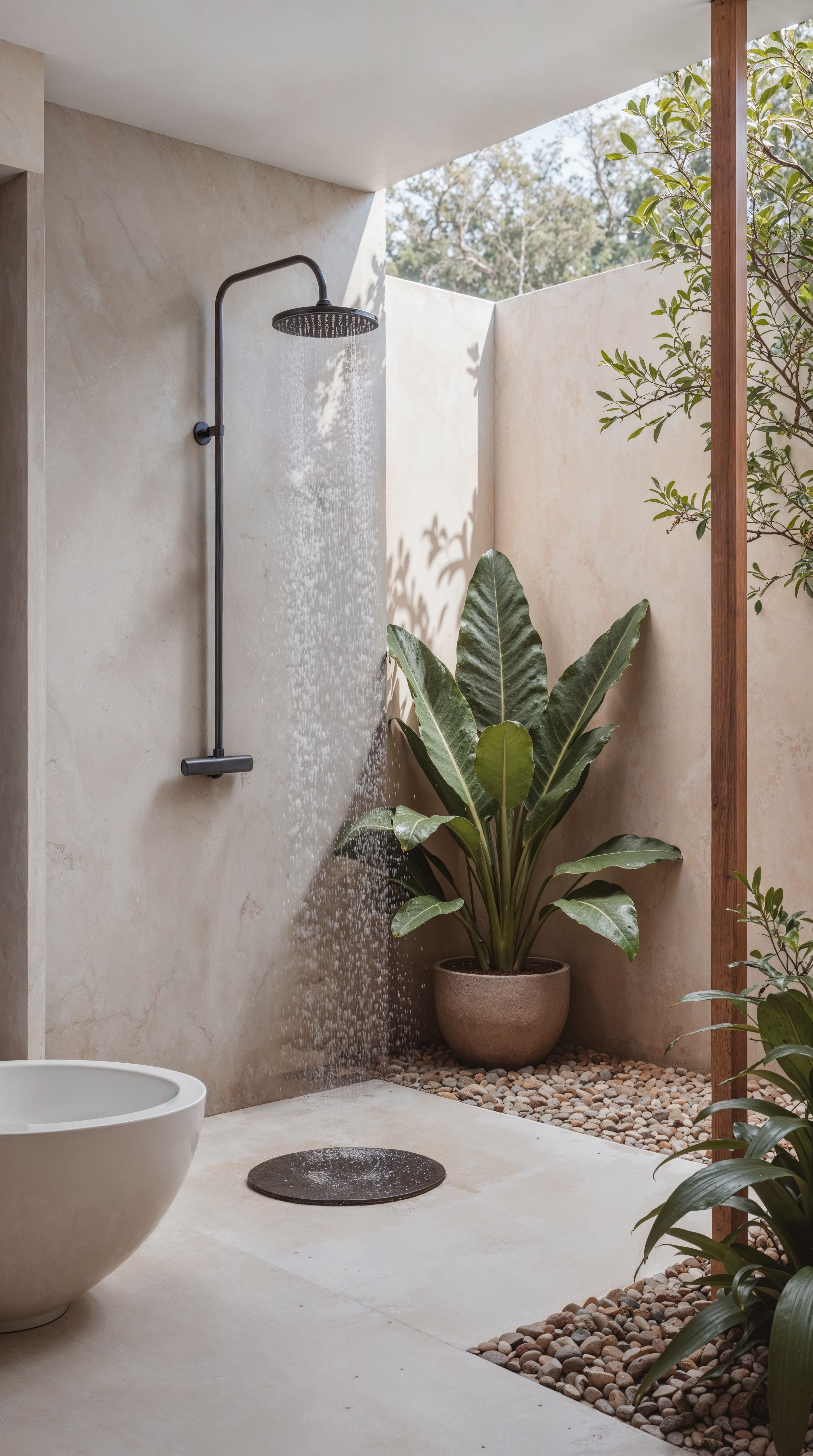
In this comparison, solid surface clearly stands out. Being a non‑porous material, it does not absorb liquids or stains, even in heavy use.
Ceramic also offers good resistance, especially porcelain, but the joints may absorb dirt, which affects both aesthetics and hygiene over time.
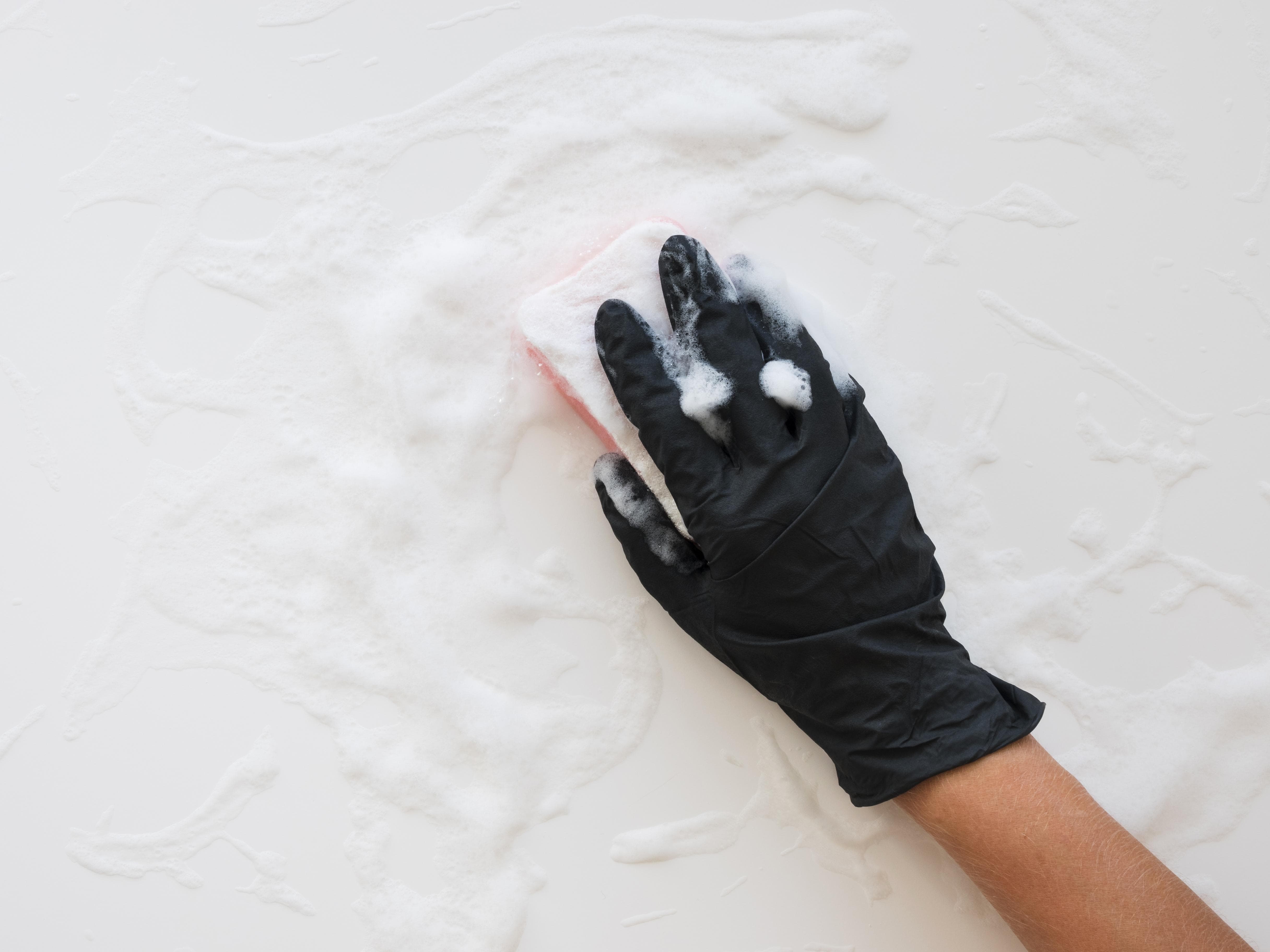
The ultimate guide to cleaning solid surface
In terms of durability, both materials offer excellent performance, although with different approaches: ceramic resists, while solid surface maintains and renews.
There is no single answer to the question solid surface or ceramic: which is better?
The correct choice depends on the context, use, and goals of the project.
Before deciding, it is worth analyzing:
In projects where design, visual continuity, and custom adaptation are key, solid surface is usually the most suitable option. In applications where thermal resistance or outdoor use is paramount, ceramic may be more convenient.

In general, solid surface is more expensive than standard ceramic. However, in custom projects, the added value in design, durability, and repairability can offset the initial investment.
Yes. One of its great advantages is that it can be repaired, sanded, and renewed, extending its lifespan without the need to replace the entire piece.
👉 Here is more information on solid surface repair
Both materials are easy to maintain, but solid surface stands out for its lack of joints, making it easier to clean and improving hygiene in everyday use.
The solid surface vs ceramic comparison should not be seen as a competition, but rather as a strategic choice. Each material addresses different needs and offers specific solutions.
Having a specialized technical partner for material transformation, like Indutec Solid, allows for an in-depth analysis of each project and the selection of the option that best suits its design, functionality, and long-term durability.
Origen histórico del Solid Surface
“DuPont introdujo el primer material de superficie sólida en 1967 bajo el nombre de Corian… salió a la venta por primera vez en 1971”.
https://es.wikipedia.org/wiki/CorianContact us
Related posts