Materials
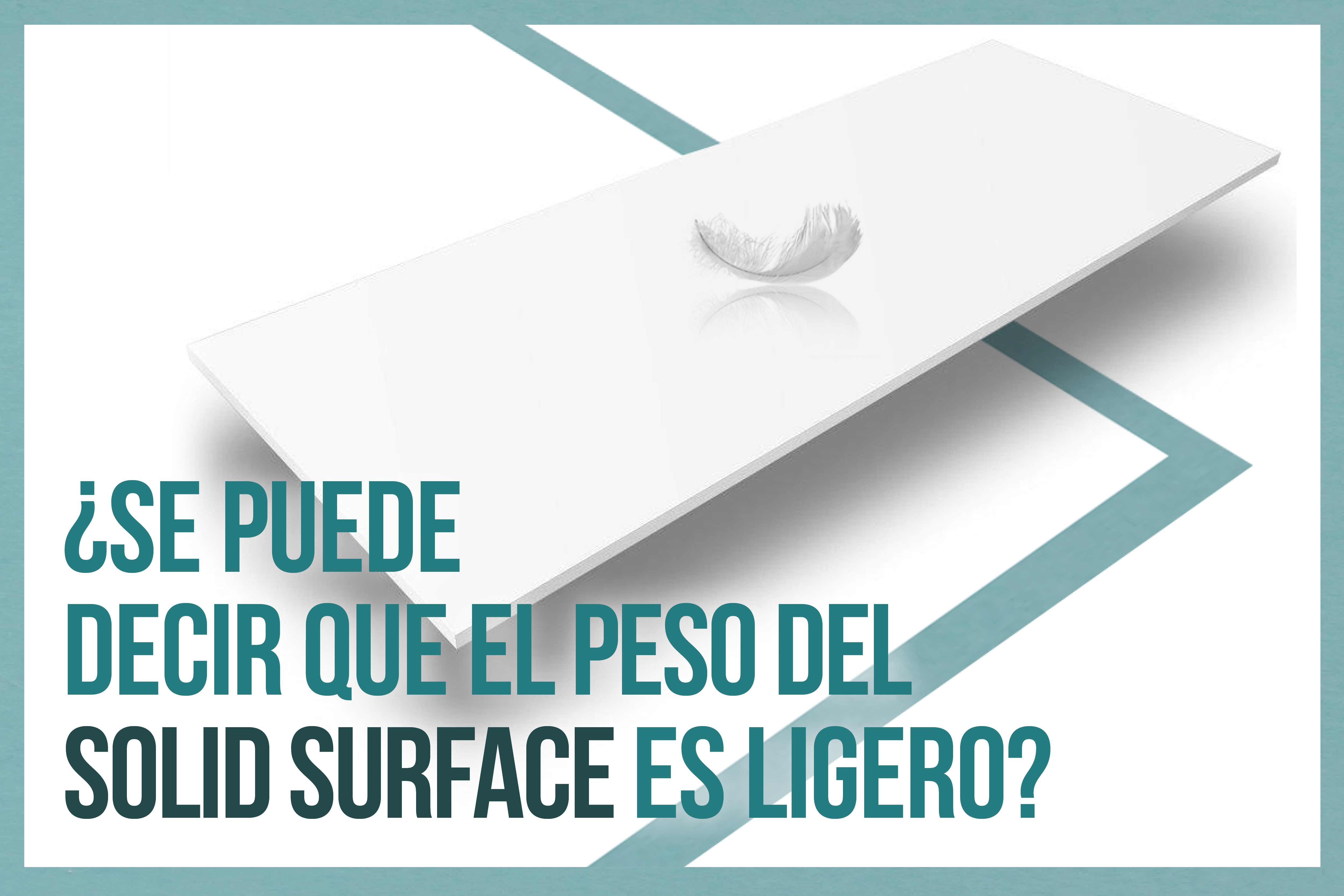
We've read in catalogs and heard from salespeople that Solid Surface is lightweight… but is it really?
At Indutec Solid, the standard sheet we work with is Krion, 12 mm thick, measuring 3680 mm in length by 760 mm in width, and it weighs around 58 kg, which brings us to approximately 1,750 kg/m³.
Seen this way, it might not seem like a truly lightweight material — but let’s compare it with others:
Settled wood sawdust: 250 kg/m³
Pine wood (planed): 430 kg/m³
Fir wood: 600 kg/m³
Wenge wood: 850 kg/m³
Water: 1,000 kg/m³
Paper: 1,100 kg/m³
Hollow bricks: 1,100 kg/m³
Cement: 1,400 kg/m³
Sand: 1,500 kg/m³
Gravel: 1,700 kg/m³
Solid Surface (Krion): 1,750 kg/m³
Concrete: 2,200 kg/m³
Pure aluminum: 2,580 kg/m³
Glass: 2,600 kg/m³
Pure iron: 7,800 kg/m³
Solid lead: 11,370 kg/m³
Molten gold: 19,250 kg/m³
After seeing this… would you say Solid Surface is lightweight?
It all depends on what you're comparing it to — and we'll leave that up to the consumer.
Contact us
Related posts