Innovation
Do you have a project in mind and are you looking for a partner to carry it out?
Contact usCustom industrial manufacturing enables parts and solutions to be developed around the specific requirements of a project: dimensions, geometries, materials, finishes or assembly requirements. By contrast, prefabricated solutions are based on predefined configurations that work well when a project can be adapted to them.
Choosing between the two alternatives does not depend solely on cost or lead time. In architecture, interior design, retail, contract and product design projects, other factors come into play, such as geometric complexity, precision, the level of customisation and integration with other components.
The main difference lies in the starting point. With a standard solution, the product characteristics have already been established. With custom manufacturing solutions, the project itself determines the manufacturing requirements.
A custom solution can be defined from drawings, 3D models or specific technical specifications. Dimensions, shapes, materials, tolerances and finishes are established according to the required outcome.
This makes it possible to produce one-off parts, special production runs or components that must integrate precisely within a larger assembly.
Prefabricated solutions come with predefined dimensions, materials and configurations. Their main advantage is that a significant part of the technical development has already been completed.
They are a suitable alternative when the project requirements match the available specifications and there is no significant need for customisation.
The initial stage of an enquiry should not yet focus on millimetre-level detail. First, the manufacturer needs to understand the context of the project.
Manufacturing a decorative element for a retail environment is not the same as producing a technical component for a product, a curved cladding element for a contract project or a mould to validate a geometry before manufacturing.
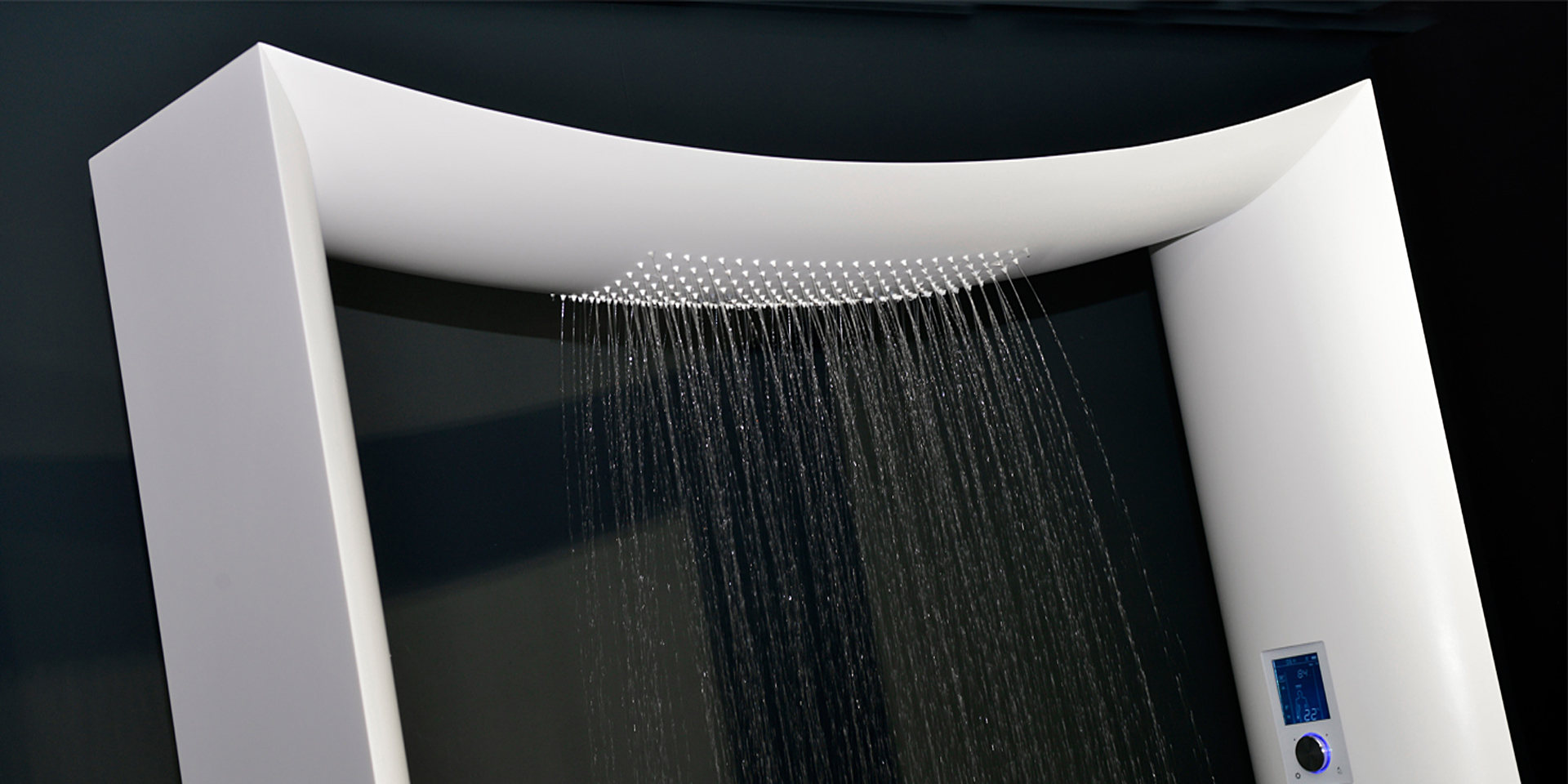
Curves, changes in cross-section, large-format elements, complex junctions or unusual dimensions may fall outside the capabilities of a catalogue product.
In these cases, opting for custom industrial solutions allows each element to be developed according to the actual geometry of the project, without depending on predetermined dimensions.
In certain projects, the material and finish are not secondary considerations. They form part of the identity of the space or product.
Custom manufacturing opens up the possibility of defining aspects such as colour, texture, type of joint, machining or material combinations according to the desired result.
A component may need to fit with metal structures, building services, furniture, lighting or other elements manufactured by different suppliers.
When tight tolerances or multiple connection points are involved, developing the component specifically for its intended environment reduces the need for subsequent adjustments during installation or assembly.
The value of custom industrial manufacturing becomes particularly clear when a project demands precision, differentiation or the technical capability to produce elements that are not already available on the market.
Rather than adapting the design to the dimensions available in a catalogue, manufacturing can be developed around the original proposal.
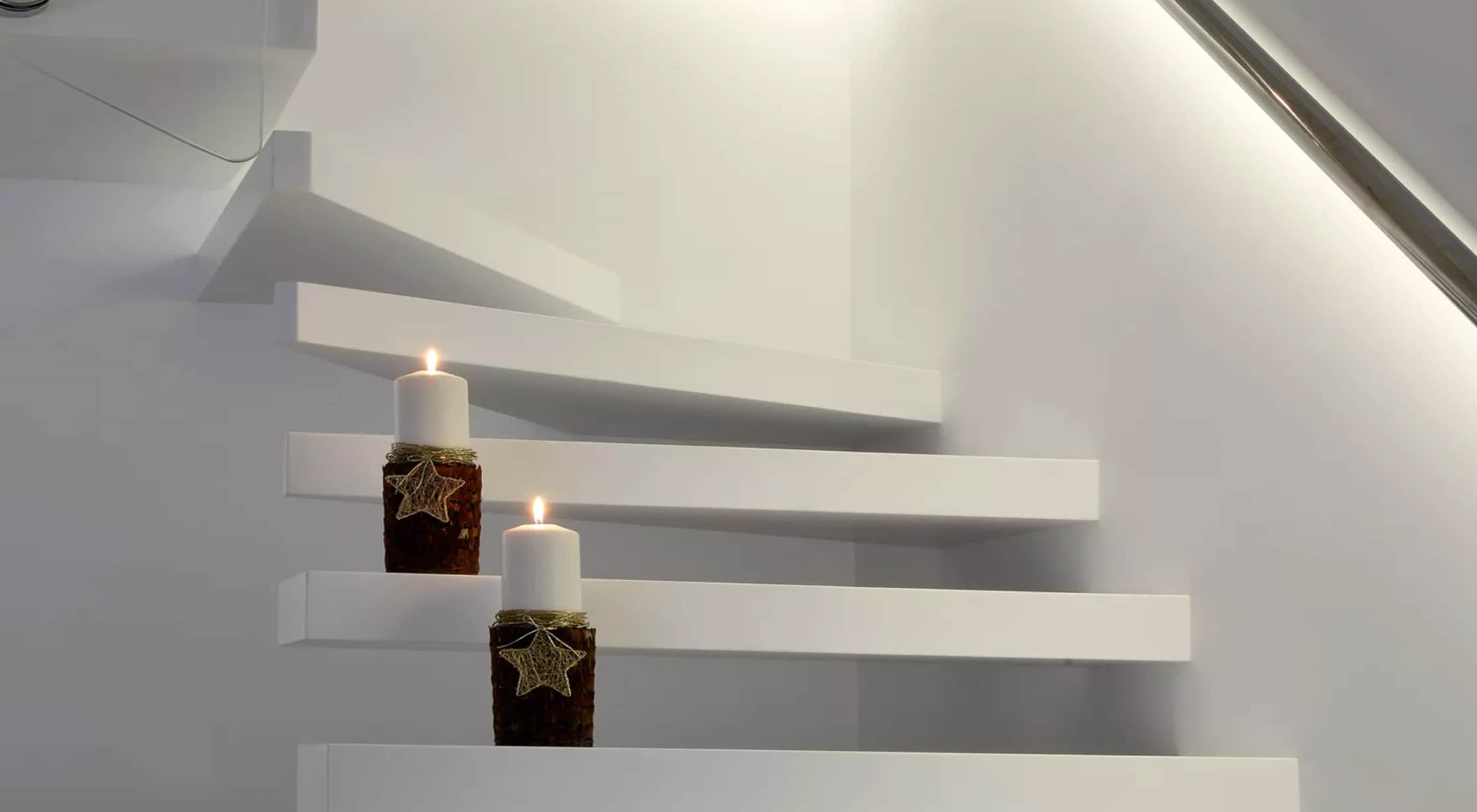
This is particularly relevant in architecture, interior design and product design, where changing a proportion, curve or junction can directly affect both the aesthetic and functional outcome.
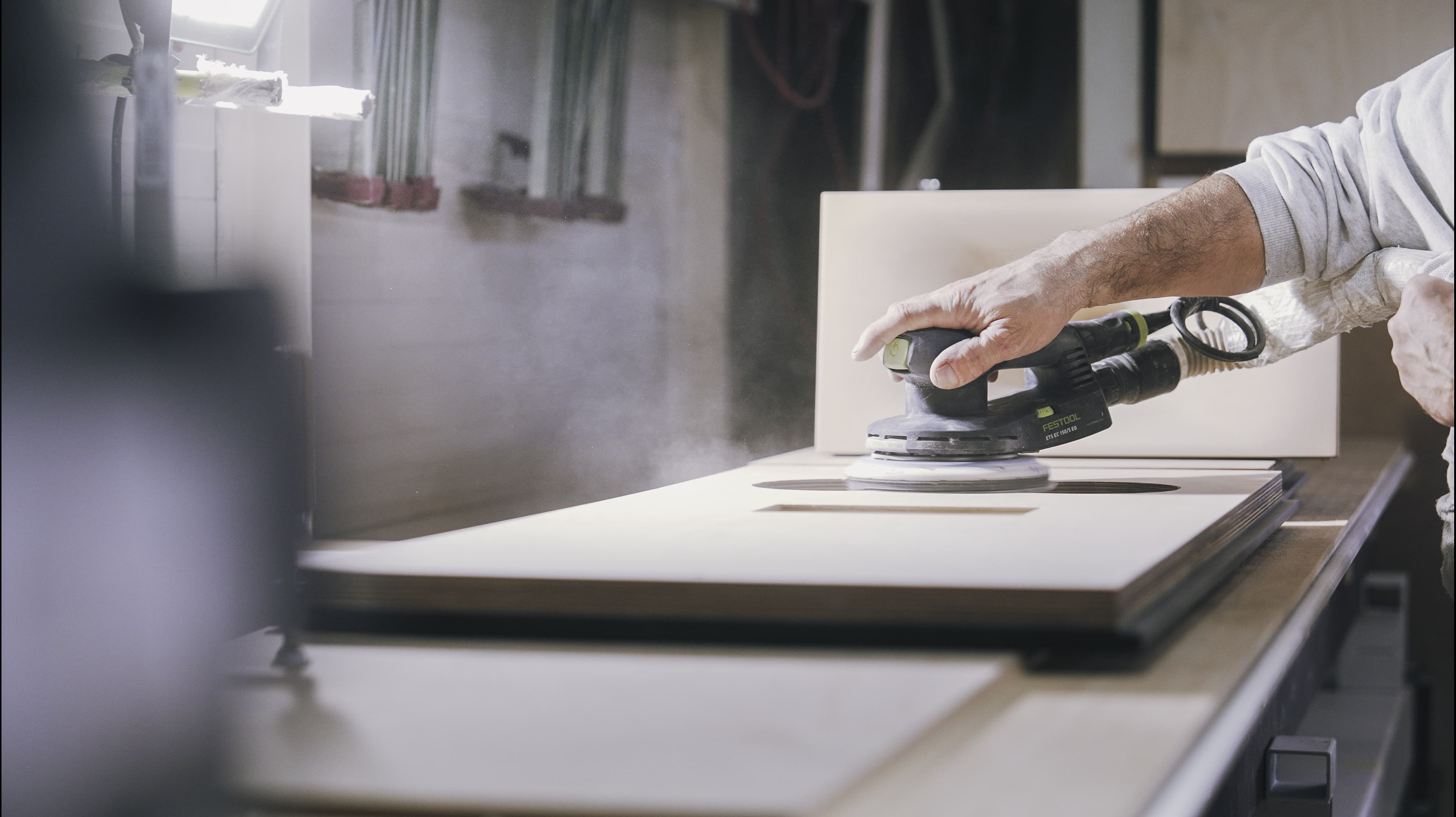
Processes such as CNC machining make it possible to work with digitally defined parameters and maintain greater control over dimensions, drilling, recesses, joints and complex machining operations.

This level of precision becomes particularly important when several components need to be assembled together or form part of systems where small deviations could cause problems at a later stage.
Prior technical development makes it possible to review a solution before it enters production.
3D modelling, interference checking and prototype manufacturing help verify geometries, joints and functionality. Identifying a problem at this stage is usually easier than resolving it once the parts have already been manufactured.
Custom manufacturing makes it possible to combine different techniques according to the requirements of each component.
3- and 5-axis CNC machining, thermoforming and other transformation processes make it possible to work with geometries that are difficult to achieve using standard solutions.
It also facilitates the development of projects involving solid surface, wood, laminates, plastics or acrylic from the same technical development approach.
Not every project requires the same material or manufacturing system.
A custom industrial solution makes it possible to select the process according to factors such as use, resistance, geometry, finish, production volume or assembly system. The aim is for the choice to respond to the actual requirements of the component rather than simply to the options available in a catalogue.
Not every project requires a customised solution. The decision should be based on technical and economic criteria.
| Criterion | Custom industrial manufacturing | Prefabricated solutions |
| Customisation | High | Limited to available options |
| Complex geometries | Adaptable to the project | Constrained by the system |
| Technical development | Project-specific | Already resolved by the system |
| Dimensions and tolerances | Defined according to requirements | Predefined |
| Availability | Requires manufacturing | May be immediately available |
| One-off components | Particularly suitable | Less flexible |
| Modifications | Can be incorporated into the design | Dependent on the product |
Industrial customisation is not about improvising during manufacturing. The project needs to be technically defined before production begins.
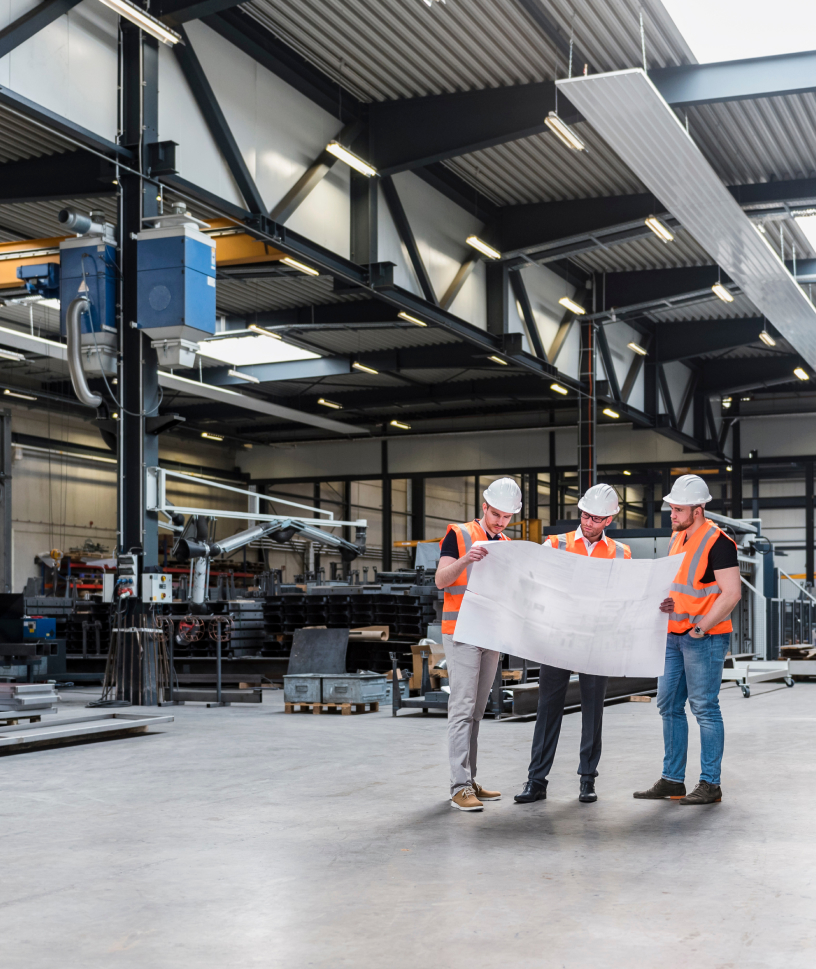
The first step is to assess drawings, models, materials, dimensions and functional requirements.
At this stage, a specialised technical office makes it possible to determine which processes are suitable, identify critical points and verify whether the proposed solution can be manufactured under the required conditions.
Once the solution has been defined, the design is prepared for production.
3D modelling makes it possible to define geometries, thicknesses, joints, machining operations and assembly references. It also facilitates coordination between different components when a project combines several parts or materials.
When the complexity of the project requires it, a prototype makes it possible to test the solution before manufacturing the final production run.
It can be used to validate a fit, review proportions, assess a finish or confirm the performance of a component under real conditions.
Once the design has been validated, production begins using the processes defined for each material and geometry.
During this stage, dimensions, machining operations and finishes are checked to ensure that the final result meets the agreed specifications before delivery or installation.
When a project needs to go beyond standard solutions, custom industrial manufacturing makes it possible to develop each component according to its technical, aesthetic and functional requirements. At Indutec Solid, we support this process from technical development through to manufacturing. Tell us about the project and we will assess how to turn it into reality.
Do you have a project in mind and are you looking for a partner to carry it out?
Contact usContact us
PROJECTS
Related posts