Solid surface
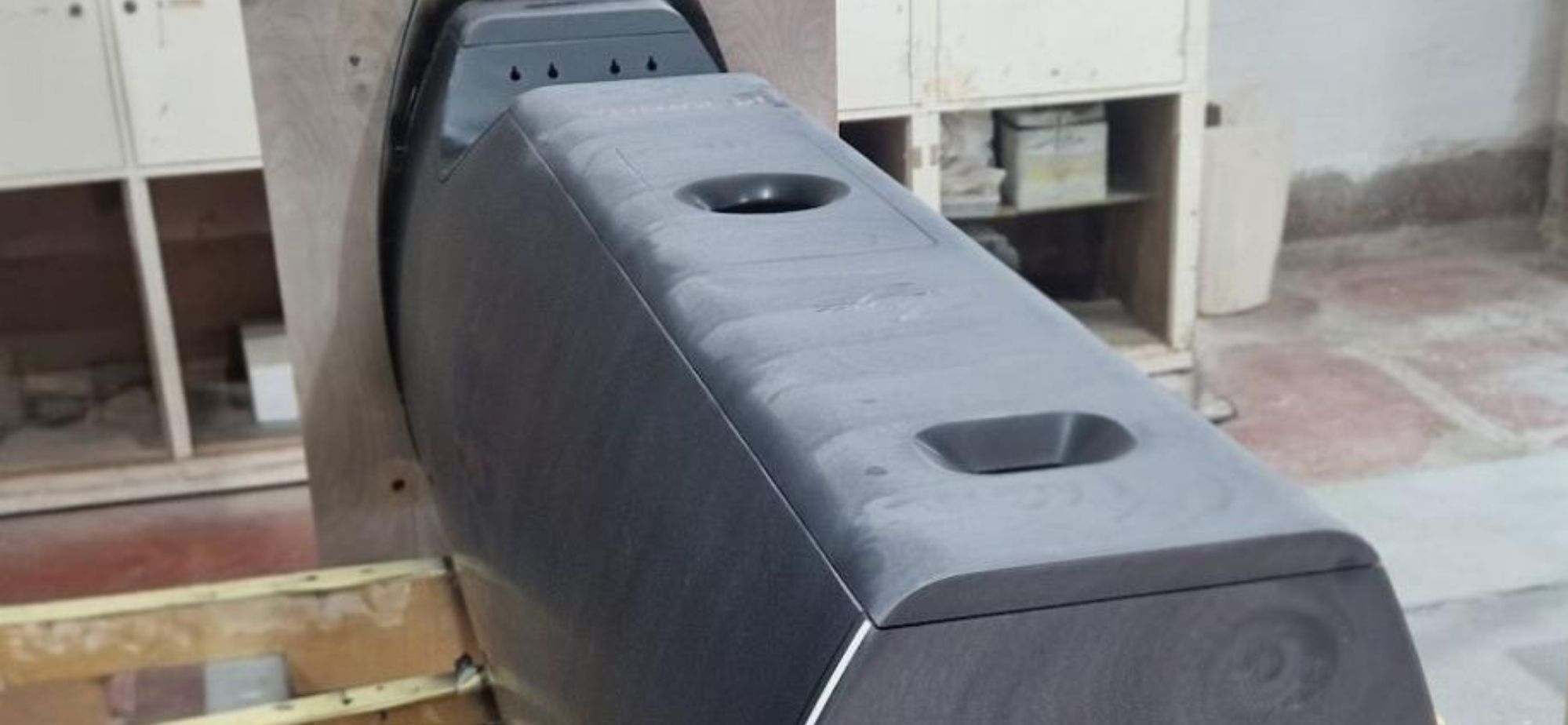
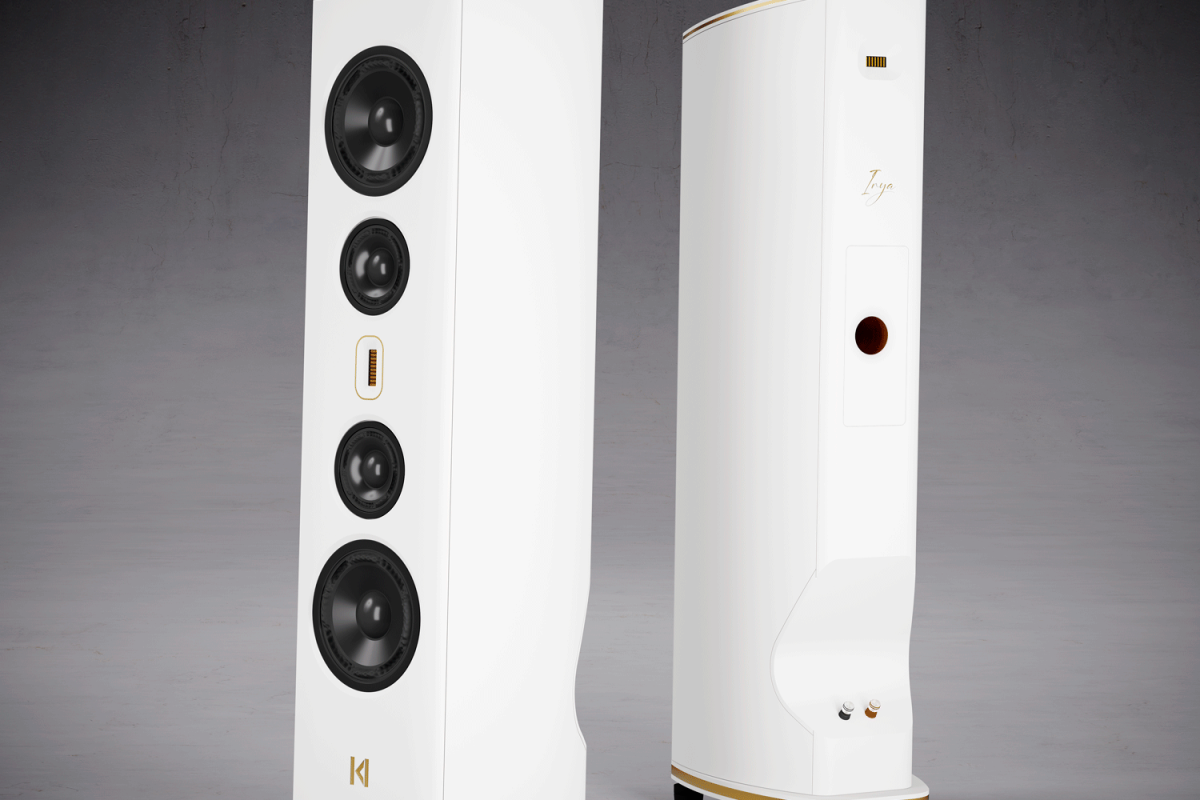
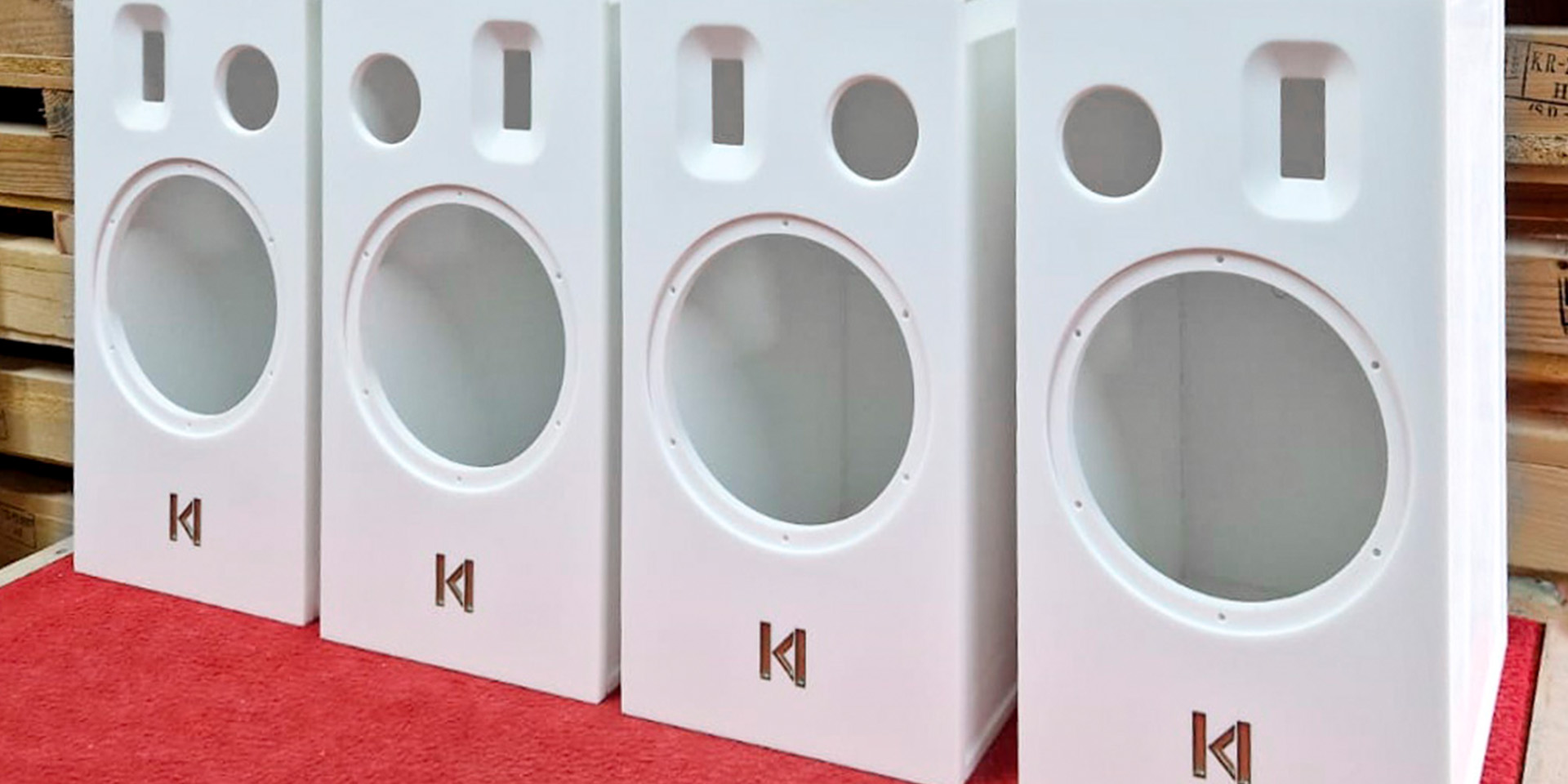
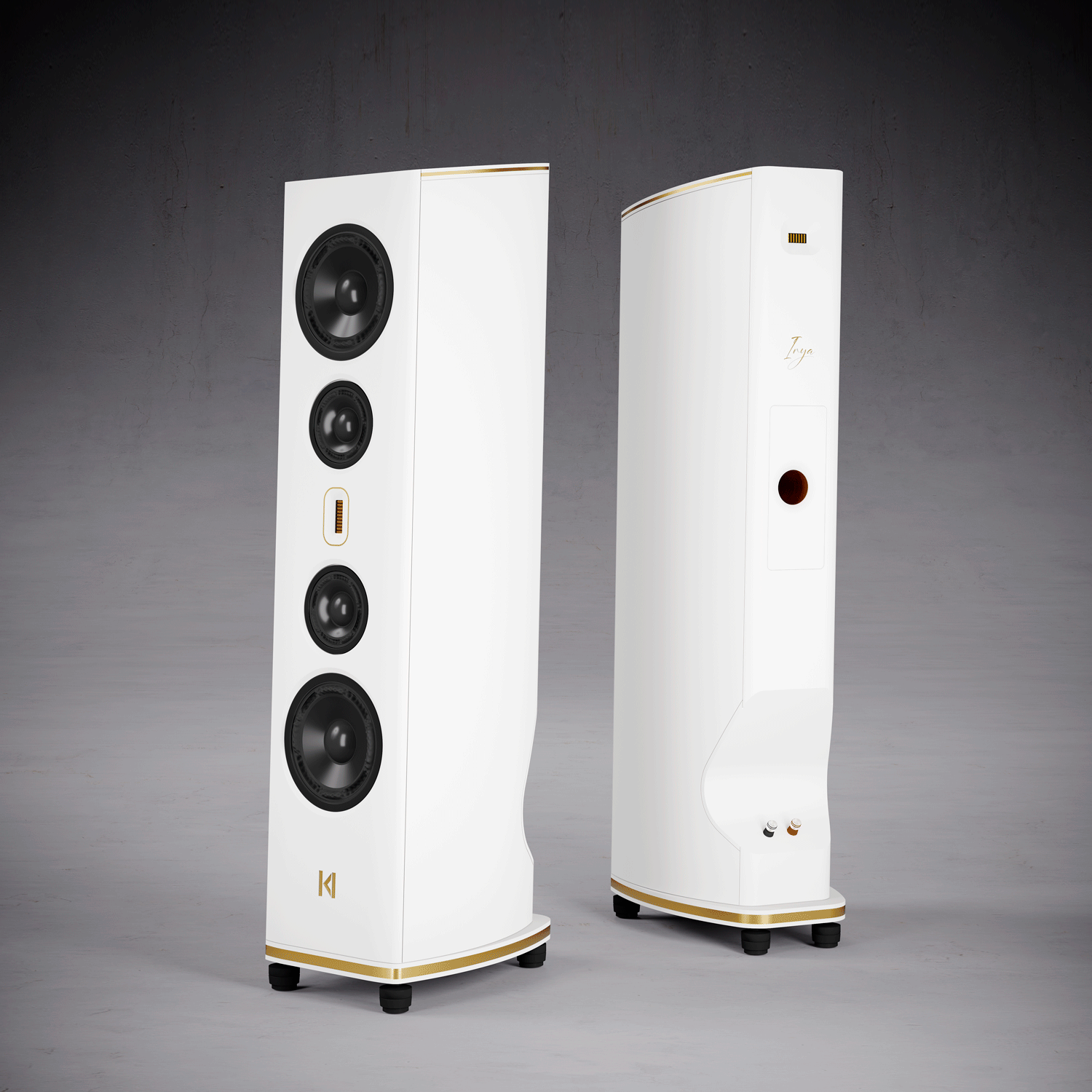
The manufacturing of the Irya high-fidelity loudspeakers, part of KROMA Atelier's Reference series, presented a technical challenge involving the handling of large components with curved geometry. Weighing 130 kg per unit and featuring surfaces without flat support points, the loudspeakers required a solution that would allow them to be moved and rotated throughout the different manufacturing stages without compromising operator safety or finish quality. To address this, Indutec Solid developed a custom handling system designed to work with the overhead cranes at its facilities, enabling safe handling even after polishing.
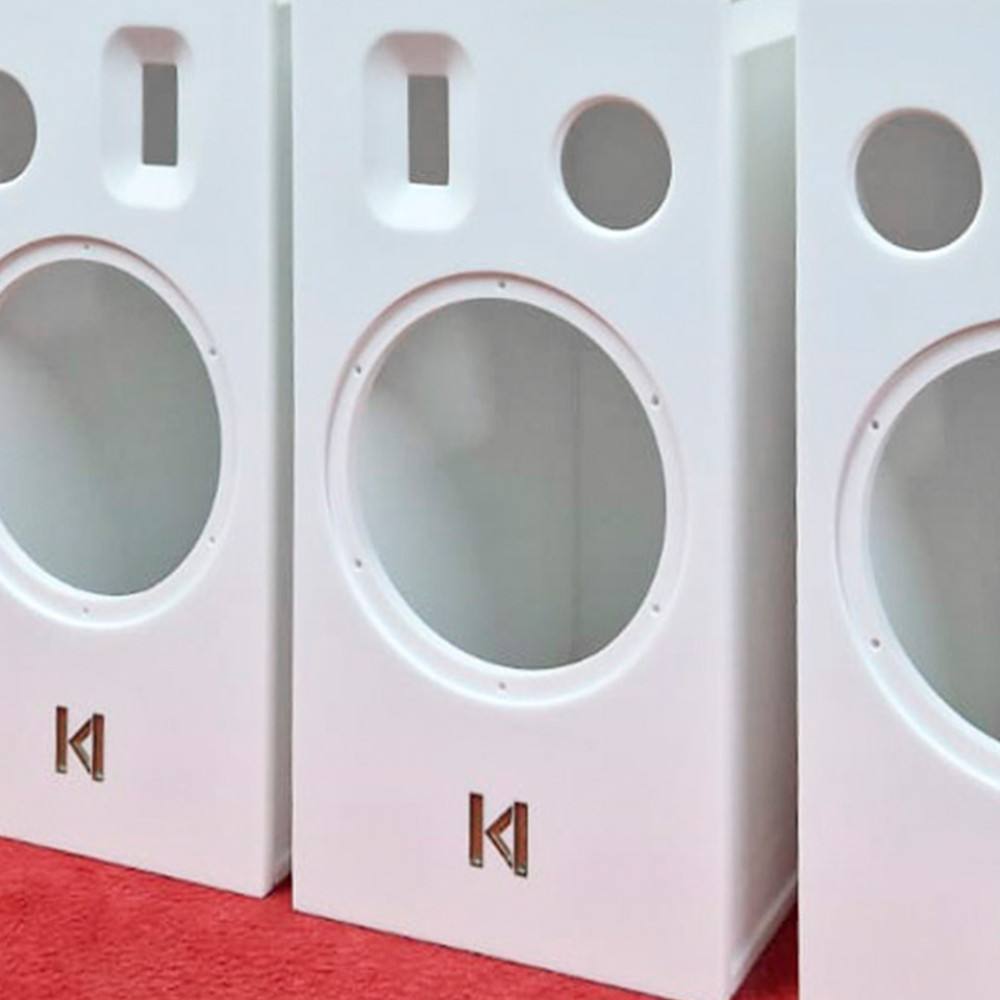
The main challenge of the project lay in the dimensions and geometry of the Irya loudspeakers. Measuring 162 cm in height, 56 cm in depth and 42 cm in width, and weighing 130 kg, these components required frequent repositioning during manufacturing, including transitions between horizontal and vertical positions.
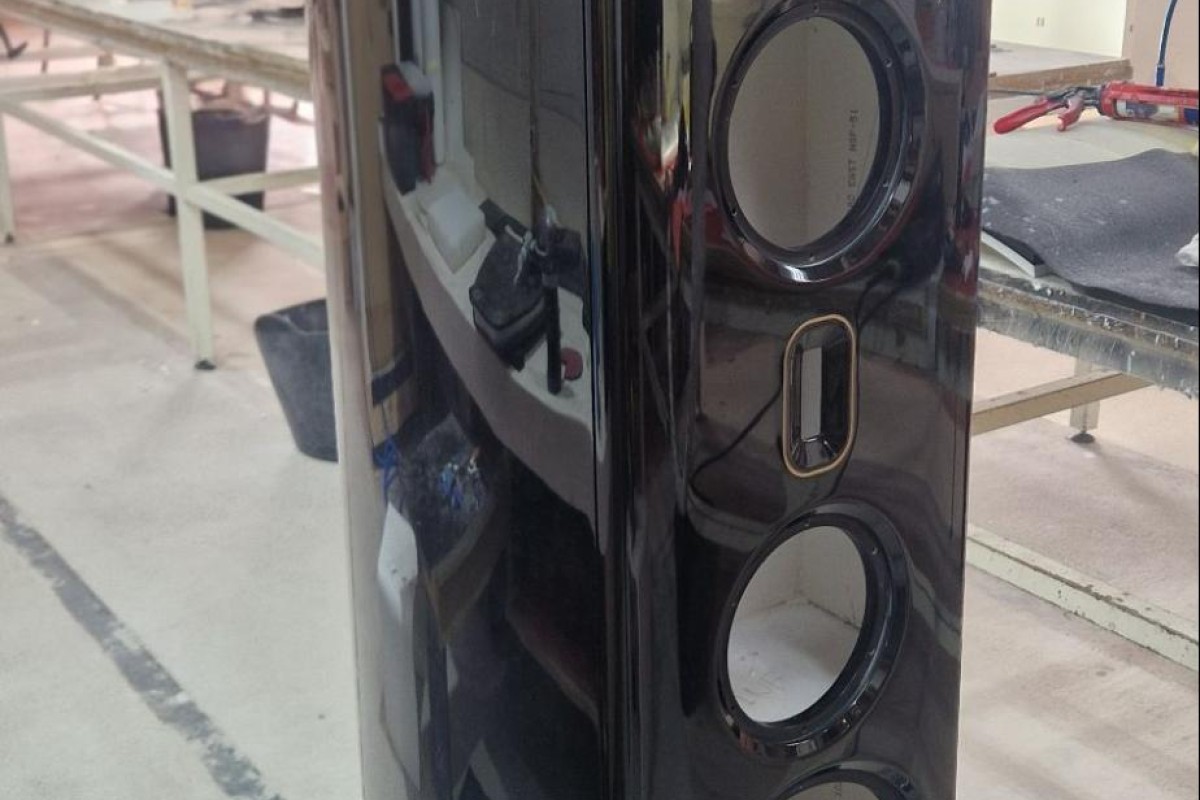
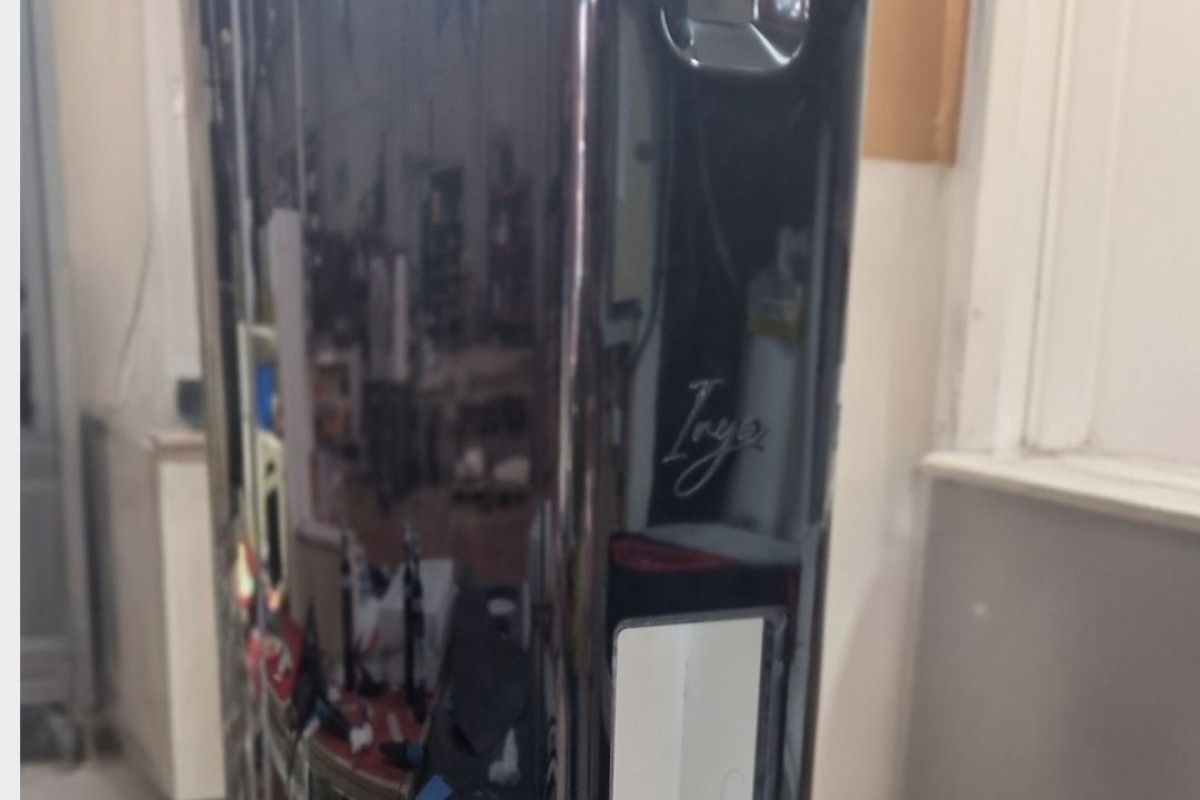
The absence of flat surfaces and secure gripping points made these operations particularly difficult, especially during the final stages, when any contact with the exterior surfaces could leave marks and require the polishing process to be repeated.
To overcome this challenge, it was necessary to develop a system that would allow the loudspeaker cabinets to be lifted, rotated and moved in a controlled manner without applying pressure to their visible surfaces. The solution had to be compatible with the different stages of the manufacturing process, ensuring both the protection of the finishes and operator safety during handling.
Collaborators
To address the handling requirements during the manufacturing of Irya, the Indutec Solid team designed a custom handling device consisting of a steel arm bolted to the inside of the loudspeaker cabinet, using one of the openings intended for the woofers. This component acted as a cantilever bracket, providing an attachment point for connecting the cabinet to the overhead crane. This solution made it possible to lift, rotate and move the cabinets without using clamping systems on their exterior surfaces. Furthermore, the device could be used throughout the different manufacturing stages, even after polishing had been completed, preventing potential damage to the finishes and reducing the need for additional finishing work.
Solid surface plays an important role in the manufacturing of the Irya loudspeakers, both for its fabrication versatility and its technical properties. Its thermoforming capabilities allow for the creation of curved geometries and continuous surfaces, while its density, non-porous nature and ability to accommodate different thicknesses and virtually seamless joints contribute to sound insulation. These characteristics make it a suitable material for high-fidelity products that require a combination of complex geometries, high-quality finishes and controlled sound transmission. The project demonstrates how material expertise and the development of specific technical solutions make it possible to adapt manufacturing processes to the requirements of each design.